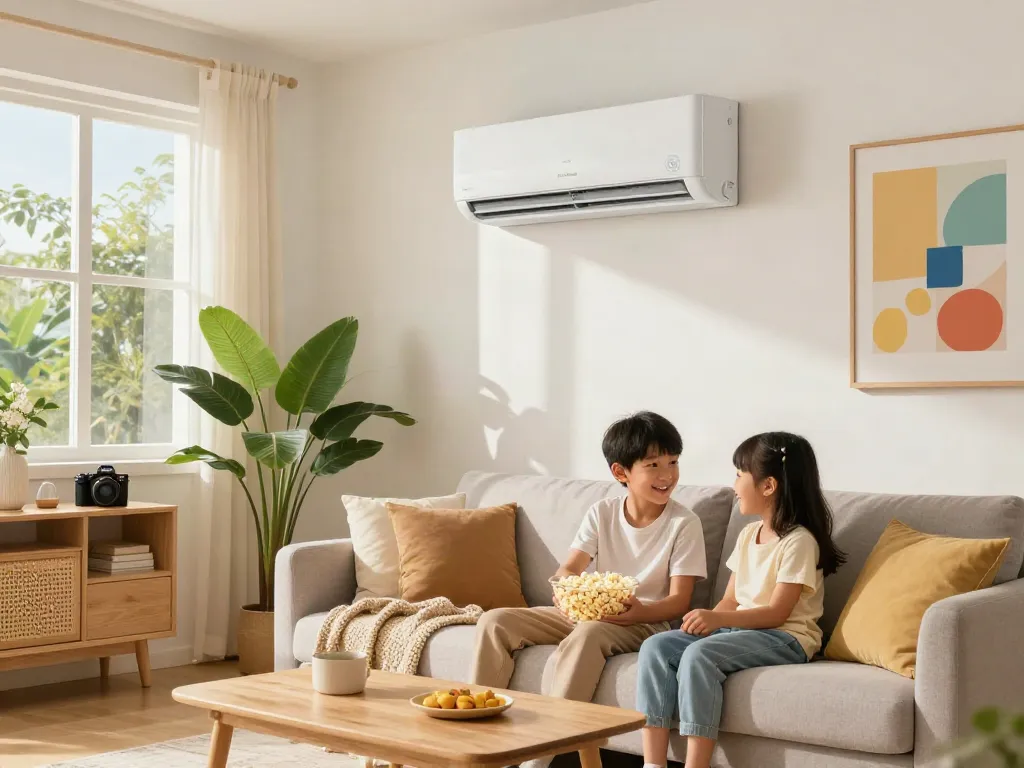
Understanding Mini Split Air Conditioners
Mini split air conditioners have become a popular choice for both residential and commercial cooling needs. These compact systems offer flexibility, energy efficiency, and ease of installation, making them an excellent alternative to traditional HVAC systems. When exploring options, mini split air conditioner units can deliver powerful cooling while also featuring heating capability, ideal for year-round comfort.
What is a Mini Split Air Conditioner?
A mini split air conditioner, often referred to as a ductless system, comprises two main components: an outdoor unit and one or more indoor air handlers. Unlike traditional air conditioning systems that rely on ductwork to distribute cooled air, mini splits deliver air directly into individual rooms, enhancing efficiency and allowing for tailored climate control. This setup is particularly useful in spaces where duct installation is impractical or cost-prohibitive.
Key Components and How They Work
The primary components of a mini split system include:
- Outdoor Unit: Houses the compressor and condenser, responsible for releasing heat absorbed from the indoor air.
- Indoor Unit(s): Disperses cool air throughout the space. They can vary in design and capacity, accommodating different room sizes.
- Refrigerant Lines: Carry the refrigerant between the indoor and outdoor units, facilitating heat exchange.
- Remote Control: Allows users to adjust settings from anywhere in the room, enhancing convenience.
This system operates by absorbing heat from inside the home and expelling it outside, effectively cooling the indoor environment. The reverse process allows for heating during colder months, showcasing the versatility of mini split air conditioners.
Benefits of Using Mini Split Systems
The advantages of mini split air conditioners are numerous:
- Energy Efficiency: Mini splits can achieve high SEER ratings, which means lower energy consumption and costs.
- Flexible Installation: Without the need for ductwork, mini splits can be installed in a variety of configurations to suit almost any space.
- Individual Room Control: Each indoor unit can be controlled independently, allowing for personalized temperature settings.
- Quieter Operation: Many mini split systems operate at lower noise levels compared to traditional units, contributing to a more comfortable environment.
Choosing the Right Mini Split Air Conditioner
When selecting a mini split air conditioner, it’s crucial to consider several factors to ensure you choose the right model for your needs.
Factors to Consider When Selecting a Unit
A few essential factors to evaluate include:
- BTU Capacity: It’s important to select a unit with the appropriate cooling capacity measured in British Thermal Units (BTUs) based on the size of the room.
- Energy Efficiency Ratio (EER): Look for models with high EER ratings for better efficiency.
- Noise Levels: Consider how quiet the unit operates, especially for bedrooms or home offices.
- Number of Zones: Determine how many rooms you want to cool and heat. Multi-zone systems are available for larger spaces.
Best Mini Split Brands to Consider
Several brands stand out in the mini split market for their quality and reliability:
- Daikin: Known for innovation and energy-efficient models.
- Mitsubishi: Offers a comprehensive range of high-performance ductless systems.
- Fujitsu: Renowned for quiet operation and advanced features.
- Senville: Provides budget-friendly options without compromising on quality.
Common Mistakes to Avoid When Buying
To make an informed purchase, be aware of these common pitfalls:
- Overestimating Cooling Needs: Avoid oversizing your unit, as this can lead to inefficient operation and higher energy costs.
- Ignoring Installation Requirements: Consult with a professional to ensure compatibility with your space and local building codes.
- Not Considering Warranty and Support: Check the warranty terms and availability of customer support from the manufacturer.
Installation Best Practices
Proper installation is critical to maximizing the performance of your mini split air conditioner.
DIY vs. Professional Installation: What's Better?
While DIY installation may seem appealing, it often lacks the expertise required for optimal performance. Hiring a professional ensures compliance with local regulations and proper handling of refrigerants.
Steps to Ensure Proper Installation
Follow these steps to guarantee a successful installation:
- Choose the right location for both the indoor and outdoor units, ensuring adequate airflow and accessibility.
- Install mounting brackets for the indoor unit according to the manufacturer's guidelines.
- Connect the refrigerant lines, ensuring no leaks and proper insulation.
- Test the system thoroughly before finalizing the installation.
Regulations and Codes to Know
Familiarize yourself with local HVAC codes and regulations, which can vary by region. Compliance ensures safety and efficiency, particularly regarding electrical connections and refrigerant handling.
Enhancing Performance and Efficiency
To keep your mini split air conditioner running optimally, regular maintenance and adjustments are key.
Regular Maintenance Tips for Mini Split Units
Implement these maintenance practices:
- Clean or replace filters every month during peak usage to improve airflow and efficiency.
- Check the outdoor unit for debris and clean it periodically to maintain effective heat exchange.
- Schedule professional maintenance at least once a year to ensure all components are functioning properly.
How to Optimize Airflow and Temperature Control
Enhance your system’s performance by:
- Positioning furniture to avoid obstructing airflow from the indoor unit.
- Utilizing the programmable settings to regulate temperatures based on usage patterns.
Identifying and Resolving Common Issues
Common problems include:
- Low airflow: Check for clogged filters or blockages in the ductless system.
- Leaking refrigerant: Schedule an inspection if you notice ice on the coils or decreased cooling output.
Future Trends in Mini Split Technology
Mini split technology is evolving to meet changing consumer demands and environmental challenges.
Innovations to Expect in 2026
We can anticipate advances such as:
- Smart Thermostats: Enhanced control through smartphone applications and voice commands.
- Increased Energy Efficiency: New refrigerants and designs aimed at reducing environmental impact.
How Climate Change Affects Mini Split Systems
As temperatures rise, mini split systems will become even more essential for both cooling and heating, with advancements aimed at improving energy efficiency to combat climate change.
Smart Technology Integration for Better Control
Future models will likely incorporate more integrated smart home features, allowing for greater control and improved energy management
What maintenance is required for mini split air conditioners?
Regular maintenance includes cleaning filters, clearing the outdoor unit of debris, and scheduling professional inspections annually.
How much does it cost to install a mini split system?
The installation cost can vary significantly based on the number of zones, unit type, and local labor rates, ranging typically from $2,000 to $5,000.
Can mini split systems heat as well as cool?
Yes, many mini split systems are equipped with heat pump technology, allowing them to provide both heating and cooling options.
What size mini split air conditioner do I need?
The required size is determined by the room's square footage and insulation quality, commonly measured in BTUs.
Are mini split air conditioners energy-efficient?
Yes, mini split systems often provide higher energy efficiency compared to traditional HVAC systems, making them a cost-effective option long-term.